Free meningococcal vaccine to help protect Australian teenagers
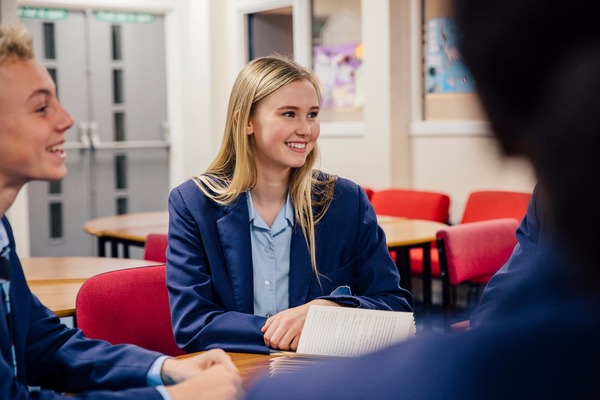
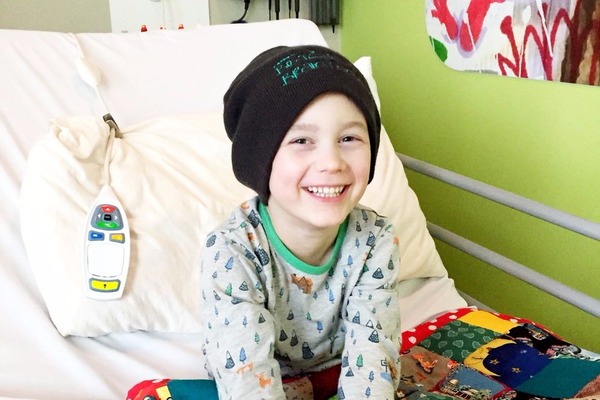
More than 1 million Australian teenagers will receive a free meningococcal vaccine over the next 4 years, once it’s been added to the National Immunisation Program (NIP) in April 2019.  Meningococcal disease is a rare but life-threatening infection that, if it enters the bloodstream, can cause meningitis and sepsis (septicaemia). Meningococcal infections can start suddenly and become serious very quickly, potentially causing … Read more
Why contraception fails – and how to choose a method that works

It’s natural to assume that if you’re using contraception, you’re protected against unexpected pregnancy. But new research has revealed this isn’t always the case. In a study in the Medical Journal of Australia (MJA), almost half of women (4 in 10) surveyed who experienced an unintended pregnancy were using contraception at the time. Among those women, more than 6 in 10 … Read more

What not to say to an amputee

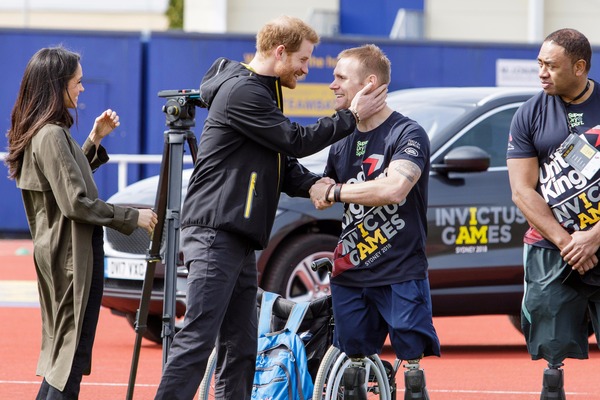
Prince Harry has accomplished a lot in recent years: he co-founded a charity to support orphans in Lesotho; he championed mental health issues with William and Kate; and he sealed the deal with Meghan Markle.  His biggest achievement, however, may be creating the Invictus Games, an international athletics event for wounded, injured and sick servicemen, servicewomen … Read more

6 myths about cerebral palsy

Around 34,000 Australians live with cerebral palsy – and 1 in every 500 babies is diagnosed with it. But cerebral palsy (or CP) is often misunderstood and stigmatised. Not all people with CP use a wheelchair, have an intellectual disability or are unable to speak. This complex condition affects children and adults in different ways, with varying … Read more

Perfume stinks: how fragrances can affect your health

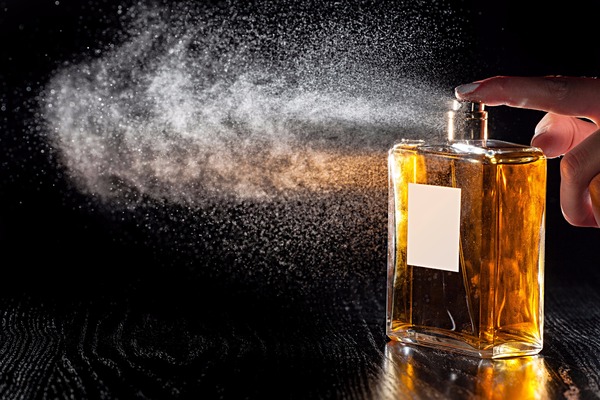
If you avoid the perfume counter in department stores or wear a mask while cleaning your home, you’re not alone. They may smell sweet, but fragrances can make a person feel sick. About 1 in 3 people report having health problems when exposed to fragranced products. Those problems include asthma attacks, hay fever, headache, migraine, dizziness, breathing problems, rashes, congestion, nausea and seizures. According … Read more

Take medicines seriously

An estimated 9 million Australians take prescription medicine every day, and many more pop over-the-counter medications such as paracetamol and vitamins. Almost one-quarter of a million people are hospitalised each year due to problems caused by their medication. Medicines play a big role in daily life, so it ‘s crucial they ‘re taken properly and … Read more

5 reasons to look after your eyes

You only get one pair of eyes. And while people often develop serious eye conditions as they age, or because of illness and injury, there are plenty of things you can do to protect your peepers from unnecessary damage. Here are 5 reasons to give your eyes more love and attention – before it’s too late.     … Read more

Testing times for HIV

New notifications of HIV (the Human Immunodeficiency Virus) have — overall — stabilised in recent years. But HIV diagnoses have also increased in some population groups. Australia has made great progress in HIV prevention within the gay community. For example, HIV diagnoses in gay and bisexual men in NSW in the first half of 2017 decreased by 31%. HIV … Read more

Why 4 in 10 mothers stop breastfeeding by 6 months

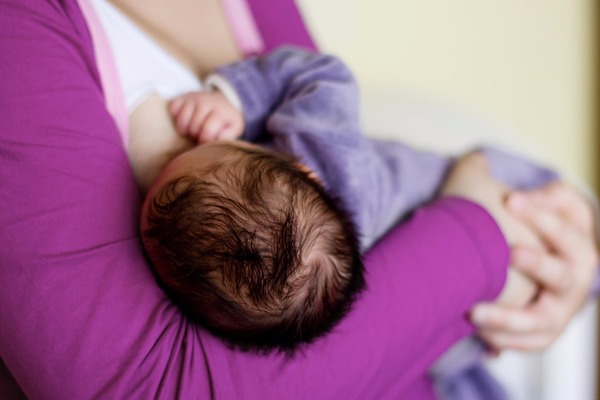
Most parents of newborn babies have heard that ‘breast is best’. But although 96% of children are breastfed soon after birth, only 15% of mums are still breastfeeding exclusively 5 months later. So, what’s preventing some parents from continuing to breastfeed, and how can they persist with longer-term breastfeeding, if that’s their wish? What the research … Read more