Esports and Cycling: A Match to Stand the Test of Time
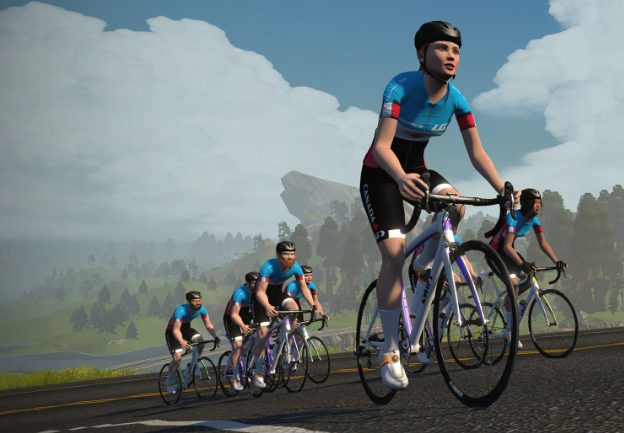
Esports have experienced a meteoric rise in the last few years. According to a recent Reuters articleOpens in a new window, worldwide esports industry revenues are expected to top $159 billion by the end of 2020 with projections to surpass $200 billion by 2023. It is projected that more than 2.7 billion gamers will have participated in esports by … Read more

Self-Compassion in Sport 101

If you have been involved in the coaching or administrative side of competitive sport, chances are you have seen athletes experience emotionally difficult setbacks. These setbacks can range from devastating performance failures (e.g., “choking” during an important competition), to facing harsh, negative evaluations by others (e.g., spectators, teammates, competitors, parents) and/or themselves (the self-critic is … Read more

Movement-based approaches to program evaluation with children

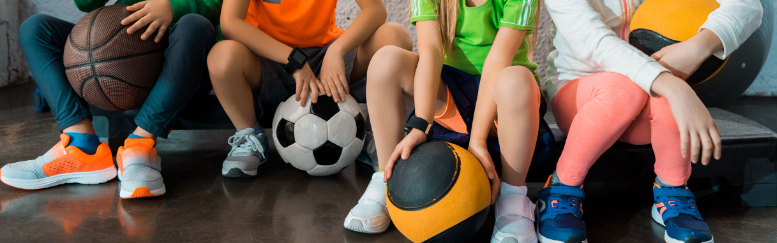
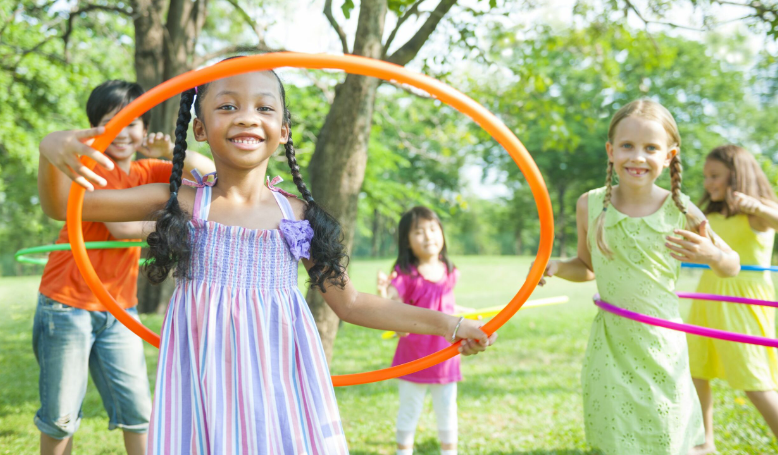
This blog is part of a series in collaboration with Brock University. Written by a student in the ‘Program Evaluation in Professional Practice’ course, this blog draws on a student’s first-hand experience conducting a program evaluation during a placement with the Bounce Back LeagueOpens in a new window. In this blog, Ashley Romano, a 4th year undergraduate student, offers … Read more

Swim Together: A new model of co-participation for women and girls in sport

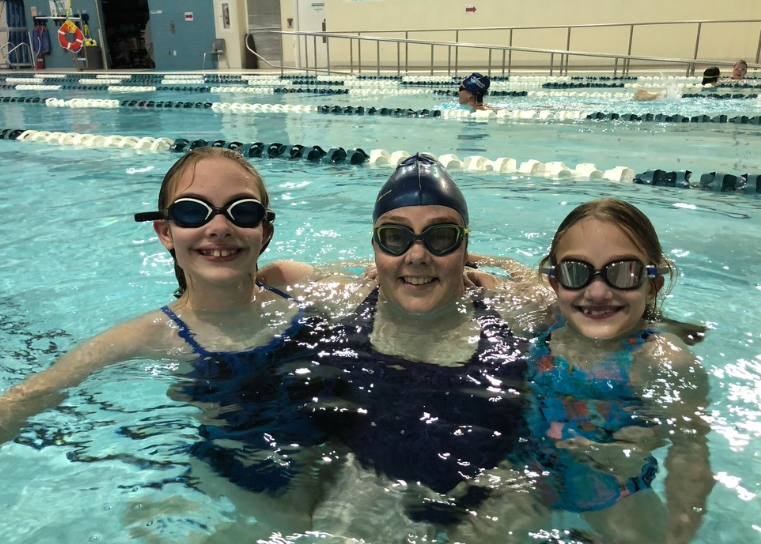
Parents and guardians are frequently left on the “sidelines” watching their children participate in sport. By prioritizing their child’s involvement, adults often don’t participate in sport and physical activity themselves, and their own well-being may suffer (Misener, 2020Opens in a new window). In particular, mothers may view recreational sport for themselves as either a guilt-laden activity or a luxury due to both cost and time (Jones et al., 2010).   Research suggests that while mothers recognize the benefits of physical … Read more

Creating quality sports programs for kids with intellectual and developmental disabilities

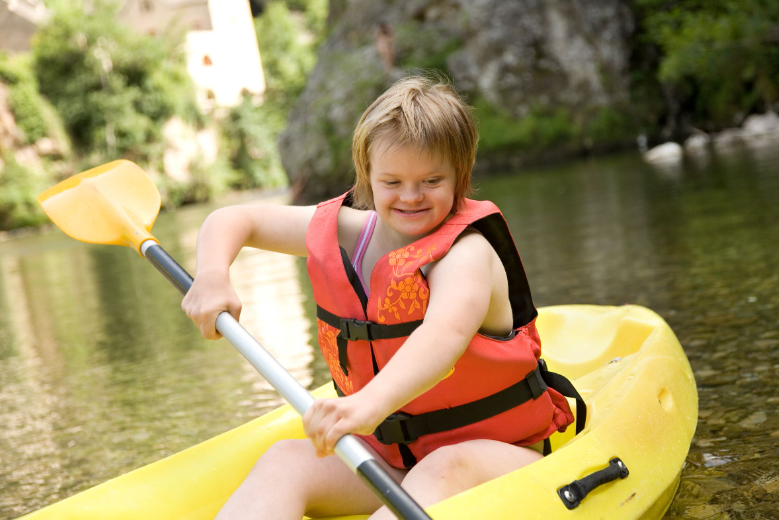
Children with intellectual and developmental disabilities (IDD) can benefit physically and psychosocially when they take part in sport (Baran et al., 2009, 2013; Weiss & Bebko, 2008). Unfortunately, their needs are often neglected, which leads to various physical, social, communication and policy barriers to their involvement (Shields & Synnot, 2016). These obstacles may affect how … Read more

Three recommendations for sport organizations when engaging in evaluation

The sport sector considers evaluation an essential organizational practice. Through evaluation, sport organizations can gain insights and solicit feedback about their programs. Evaluation can also inform decision-making, guide program improvements, and build stakeholders’ value and advocacy for programming (Holt et al., 2016; Shaikh et al., 2020). Despite its value, evaluation also challenges many sport decision-makers, … Read more

The True Sport Experience: Bringing physical and ethical literacy to life in and out of the classroom

Physical and health education teachers and coaches are experts at helping kids learn new skills. By patiently walking students through each learning step, they build the blocks of learners’ physical literacy. However, sport and recreation experiences aren’t built on physical skills alone. Instead, the experiences are wrapped in life lessons, personal growth and a few … Read more

Project Echo: A movement to make Para sport a better place for all

The global COVID-19 pandemic has highlighted inequalities that many people experience, particularly the disparities experienced by persons with disabilities. According to the COVID-19 Disability SurveyOpens in a new window, over 50% of respondents noted that during the pandemic their needs weren’t being met in a number of areas related to accessibility (Abilities Centre & The Canadian Disability Participation … Read more

Building a culture of excellence in high performance sport

Highlights An organization’s culture involves the values, attitudes and goals that are shared by a group of people. These values, attitudes and goals influence how the group interacts and operates as its members work toward a common goal. Within and beyond sport, culture helps to determine a team’s focus, establishes norms of acceptable behaviour and … Read more